Is retinol a miracle in anti-aging – and how do you use it safely?
✨There’s a reason retinol anti-aging has been Googled millions of times – It’s not just another skincare trend, it’s the molecule that rewrote the science of youth. Dermatologists call it the gold standard of anti- aging skincare, beauty editors swear by it, skincare lovers either fear it or cant’t live without it, and woman around the world rely on it for visible, long lasting radiance. But is retinol still the number-one ingredient for reversing visible aging, and how can you use it safely for that glowing and ageless skin? Let’s find ot!
Table of Contents
1. What makes retinol the #1 anti-aging ingredient
2. how retinol works on a cellular level
3. How to use retinol safely- doctor’s guide
4. common mistakes and how to avoid them
5. alternatives for sensitive skin
6. Feed your skin from within
7. real results – what to expect and when
8. expert insight – the doctor’s perspective
9. fAQ – your most googled retinol questions
10. final thought
11. Scientific references & sources
💫What makes retinol the #1 anti- aging ingredient?
Decade after decade, retinol anti-aging skincare products dominate every dermatologist’s “best of” list. Why? Because no other ingredient has so much scientific evidence and cellular -level power behind it. Retinol , a pure form of vitamin A , accelerates cell turnover – the process that helps your skin shed old, dull layers and replace them with new , luminous ones.
According to clinical research published in the Journal of the American Academy of Dermatology, consistent use of retinol visibly reduces fine lines, improves elasticity, and refines texture by stimulating collagen production deep within the dermis.
In simple terms: retinol doesn’t just sit on the surface -it teaches your skin cells to behave like younger ones. Therefore, when applied correctly, it becomes a true anti-aging miracle, a time machine in a bottle , that restores your skin’s vitality night after night.
💫How retinol works on a cellular level?
Here’s where the retinol benefits for skin become pure science. Once absorbed, retinol converts into retinoic acid – the active form that binds to retinoid receptors in your skin cells. Consequently, these receptors signal fibroblasts – your collagen-making factories – to ramp up production.
At the same time, retinol slows the enzymes that degrade collagen . As a result , the skin’s internal structure becomes firmer, denser, and smoother.
Moreover, doctor-approved retinol skincare studies show, it strengthens the skin barrier, enhances hydration, and protects against oxidative stress – the invisible trigger behind wrinkles and loss of glow . That’s why dermatologist worldwide , as confirmed by PubMed Clinical Reviews, continue to call retinol the cornerstone of modern anti-aging skincare.
💫How to use retinol Safely – Doctor’s anti-aging Guide
If you ‘ ve ever experienced redness, dryness, or flaking , you ‘ve met the dark side of retinol. But don’t worry – how to use retinol safely is simple, once you understand your skin’s rhythm.
- Start slow – begin with a low concentration ( 0.1- 0.3 %) two nights per week.
- Cleanse gently – avoid exfoliating acids on the same night.
- Buffer with moisturizer – apply a thin layer before or after retinol to minimize irritation.
- Pea-size rule – a small amount is enough for your entire face.
- SPF 50 every morning – retinol increases photosensitivity, so sun protection is essential.
Transition gradually : after two weeks, increase to three nights , then every other night. Therefore, you build tolerance without inflammation.
As dermatologist Dr. Shereene Idriss notes in a New York Times Beauty Interview:
“The most common mistake is overdoing it too fast. Patience with retinol equals perfection.”
💫Common mistakes and How to avoid them
Even the best retinol anti-aging routine can fall if used incorrectly. Here’s how to avoid the classic pitfalls:
- Mixing too many actives – Don’t combine retinol with AHA, BHA, or strong vitamin C at night.
- Skipping sunscreen – UV exposure neutralizes retinol’s effect.
- Applying on wet skin – Always wait until your face is dry to minimize irritation.
Instead, layer it mindfully and follow with a ceramide-rich , hydrating cream. And remember : irritation doesn’t mean faster results – it means your skin barrier needs extra care.
💫Alternatives for sensitive skin
If your skin can’t tolerate classic retinol, try retinol alternatives, that offer similar anti-aging benefits with less irritation.
✨Bakuchiol, a natural botanical extract from Psoralea corylifolia , mimics retinol ‘s cell-regenerating effects – proven in the British Journal of Dermatology
✨Encapsulated retinol releases slowly over time, allowing even sensitive skin to adapt.
✨Retinyl palmitate, a milder vitamin A derivate, is ideal for begginers and those with rosacea- prone skin.
Therefore, even if your complexion is delicate, you can still achieve anti-aging skincare success – without the burn.
💫Feed your skin from within : the power of vitamin a-rich foods
When we talk about retinol anti-aging, most people immediatelly think of serums, night creams, and dermatologist-approved skincare. Yet, here’s the surprising truth: your skin most powerful retinol factory is not in a jar – it’s inside your own body. And the key to unlocking that inner glow? Vitamin A-rich foods.
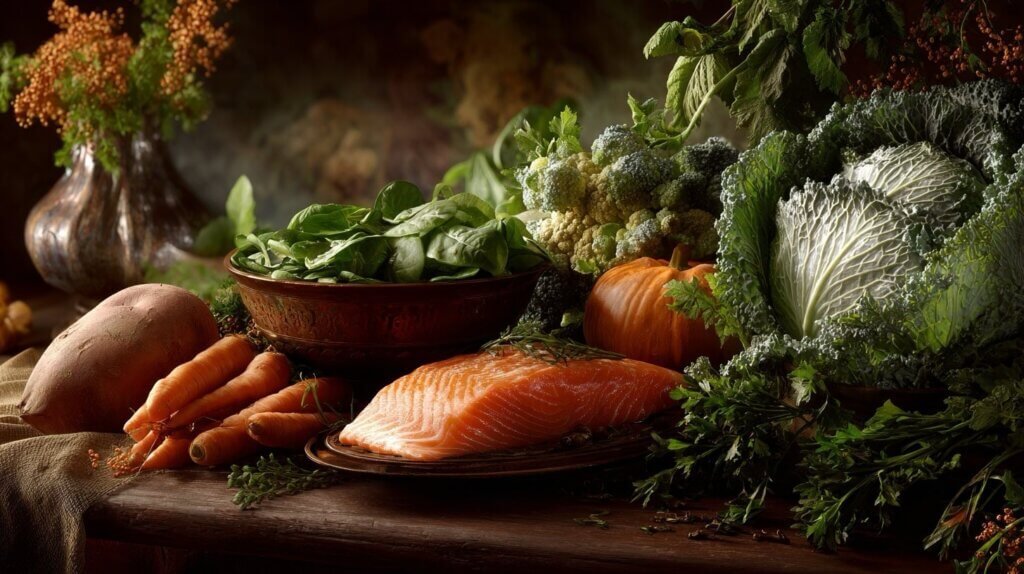
Carrots, pumpkin, spinach,kale, broccoli, celery, and even wild salmon are not just healthy Instagram aesthetics – they are nutrient-dense beauty actiavators.These vibrant ingredients deliver beta-carotene and retinyl esters, which your body converts into active retinoid acid, the exact same molecule that drives retinol anti- aging benefits in luxury skincare products.
This means every delicious bite supports your skin like a topical treatment would:
-boosting collagen production
-accelerating cell turnover
-protecting vision
-strengthening immune defense
-enhancing your natural radiant glow
And because nutrition works holistically, Vitamin A foods nourish the areas that beauty products can’t reach alone: the deep dermal layers where elasticity , firmness, and true youthfulness are created.
Even more fascinating ? One single cup of cooked kale can provide up to 200% of the recommended daily Vitamin A intake – a natural beauty boost your skin will thank you for every day.
So next time you think of retinol anti-aging , imagine a delicious plate of glowing colors on your table. Pair your evening serum with vibrant salad or a warm pumpkin soup, and you’ll experince beauty that is nourished from the inside out – where it truly begins.
💫Real results – What to expect and when
Here’s the truth : patience is your most powerful beauty ingredient.
- 2-4 weeks : skin feels smoother, texture refines, natural glow retirns.
- 8-12 weeks : fine lines fade, pores shrink, and tone evens out.
- 6 months : collagen density measurably increases, according to Dermatologic Therapy Journal.
Consequently, retinol anti-aging isn’t just cosmetic – it reprograms your skin at a biological level. And that’s where the wow moment happens: your skin begins to behave as if it remembers youth itself.
💫Expert Insight – The Doctor’s Perspective
“Beyond trends, retinol is a science -backed molecule, that changes the way your skin regenerates” – Dr.Susan Blackberry
“It aligns perfectly with the philosophy of holistic anti-aging – activating the body’s natural renewal mechanisms from within.””
When you see retinol anti-aging benefits not as vanity but as vitality, every night routine becomes an act of self-care and cellular awakening.
💫FAQ – Your most googled retinol questions
Q1 : Can I use retinol every day?
Not at first. Start twice a week , then increase frequency as your skin adapts.
Q2 : Can I combine retinol with vitamin C ?
Yes – but use vitamin C in the morning and retinol at night.
Q3 : What ‘s the best age to start a retinol anti-aging routine?
Mid-20s is perfect for prevention, 30s -40s for visible rejuvenation.
Q4 : How do I know retinol is working?
Your reflection tells you – smoother texture, brighter tone, and that rested, radiant look you can’t fake with makeup.
💫Final thought about Retinol anti-aging benefits
Retinol anti-aging skincare isn’t about chasing perfection – it’s about awakening you skin’s natural intelligence. When used consistently and carefully, it reminds your cells how to renew, repair and radiate.
So yes – retinol is still the #1 anti-aging ingredient.
But its real magic lies in how to use it : slowly, mindfully, and in harmony with your skin’s rhythm.
Because true radiance isn’t created overnight – it’s cultivated, one glowing cell at a time.✨
Discover why retinol anti-aging remains the #1 skincare ingredient. learn doctor-approved tips to use it safely for youthful, radiant and glowing skin.
🩺Scientific References &Scources
1️⃣Stanford Medicine – Retinoid Mechanisms of Action Explains how retinoids bind to nuclear receptors and influence gene expression that drives skin renewal and collagen formation. 2️⃣Cleveland Clinic – Retinol and Retinoid Overview Detailed medical summary on the benefits of retinol, including cell turnover, collagen support, and reduction of fine lines. 3️⃣Scientific American – The science Behind Retinoic Acid Discusses how retinoic acid ( active form of vitamin A) interacts with skin cells and ” teaches” them to behave younger. 4️⃣PubMed Central – Retinoids in Dermatology : Cellular mechanisms and Collagen synthesis Comprehensive review of retinoids’ molecular action : receptor binding , fibroblast activation, and MMP inhibition.

” This article is based on peer-reviewed dermatological research and reflects doctor-approved scientific insights on retinol and skin regeneration. The content is for educational awareness only and not a substitute for professional advice or diagnosis.”
-Dr.Susan Blackberry, Natural Healthy Beauty